
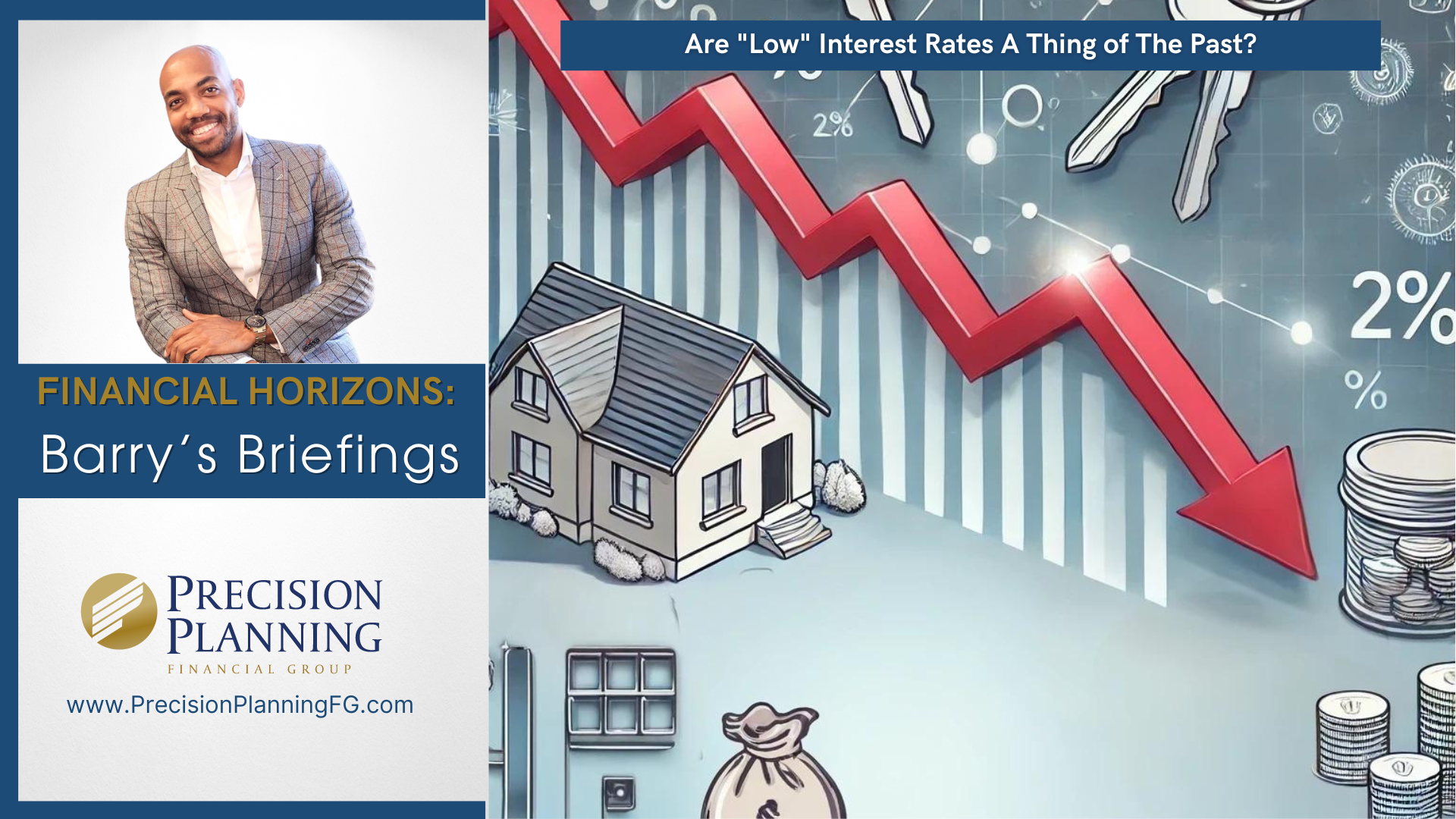
As we navigate the ever-changing financial landscape together, one question remains on many minds: What will happen with interest rates? In recent months, the Federal Reserve has opted to maintain higher rates to combat inflation, and speculation about a possible rate cut has been swirling. Some economists and market analysts anticipate cuts in the coming weeks, while others believe it might be much longer before we see such action.
Today, I?d like to talk about the potential implications if the Federal Reserve does decide to cut rates in the near future, what factors might influence that decision, and how you can prepare financially. We?ll also take a look at the historical context of interest rates, where we are now, and what this means for financial markets?particularly the real estate sector.
A Historical Perspective: Where Have Interest Rates Been?
To understand where interest rates might go, it?s important to first look back at where they?ve been. Historically, interest rates have fluctuated significantly over the past several decades, reflecting broader economic conditions and the Federal Reserve?s responses to those conditions.
- The 1980s: In response to runaway inflation, the Fed pushed interest rates to historic highs, with the federal funds rate peaking at around 20% in 1981. This was a deliberate effort to curb inflation, but it also resulted in a deep recession.
- The 1990s and 2000s: As the economy recovered, interest rates gradually declined, hovering in the mid-single digits for much of the 1990s. Following the dot-com bubble and the events of 9/11, rates fell again, eventually hitting as low as 1% by 2003.
- The Great Recession: The 2008 financial crisis led to an unprecedented period of near-zero interest rates as the Fed sought to stimulate economic recovery. This low-rate environment persisted for nearly a decade, leading many to become accustomed to historically low borrowing costs.
- The 2020s: The COVID-19 pandemic brought about another round of near-zero interest rates, as the Federal Reserve responded to the economic downturn. However, as inflation surged in the post-pandemic recovery, rates were aggressively increased starting in 2022 to cool the economy.
Where Are Interest Rates Now?
As of mid-2024, we find ourselves in a period of relatively high interest rates compared to the past decade. The Federal Reserve has been holding rates steady as it seeks to bring inflation closer to its 2% target. With inflation now in "spitting distance" of that target, many are wondering if the Fed might start to ease rates later this month.
However, opinions are mixed. While some market participants expect the Fed to make cuts in the coming weeks, others?like Torsten Slok, Apollo Global?s chief economist?remain skeptical that we?ll see any cuts this year at all. Slok argues that solid job growth and robust consumer spending might delay any action by the Fed, especially if inflation continues its downward trend but remains above the target range.
As a result, it's not a certainty that we?ll see rate cuts soon, and any cuts that do happen may be smaller or later than the market expects.
If There Is a Rate Cut: What Could It Mean for You?
If the Federal Reserve does opt to cut rates later this month, it would likely be a sign that the central bank believes inflation is under control and that the economy can handle slightly lower borrowing costs without overheating. But how would a rate cut affect your financial plan?
Here are some key considerations to keep in mind:
- Lower Borrowing Costs: A rate cut would reduce borrowing costs for consumers and businesses alike. If you're considering taking out a loan, such as a mortgage or a business loan, lower rates could make financing more affordable.
- Economic Growth: Lower rates can stimulate economic activity by encouraging spending and investment. However, while this can be good for the economy in general, it also comes with the risk of overheating markets if cuts are too aggressive.
- Inflation Risks: Even if inflation is trending downward, a premature or overly generous rate cut could reignite inflationary pressures. The Fed would need to carefully balance its cuts to avoid undoing the progress made so far in controlling inflation.
Are "Low" Interest Rates a Thing of the Past?
Now that we?ve looked at the possibility of future rate cuts, let?s address the broader question: Are the ultra-low interest rates of the past decade gone for good?
While no one can say for certain, the current economic environment suggests that the ultra-low interest rates we saw in the wake of the 2008 financial crisis and the COVID-19 pandemic may indeed be behind us, at least for the foreseeable future.
- The Inflation Factor: Inflation remains a key determinant of interest rate policy. The Fed has made it clear that its priority is bringing inflation under control, and if inflation continues to trend downward, we might see some rate cuts. However, inflationary pressures?such as high energy prices or supply chain disruptions?could push the Fed to maintain or even raise rates again.
- Global Economic Conditions: The global economy also influences interest rate policy. While some central banks, like the European Central Bank, have already started cutting rates, the U.S. faces different challenges, such as strong consumer spending and a tight labor market, which could delay or limit cuts.
Given these factors, it seems likely that while we may see some rate cuts in the future, the era of near-zero interest rates might indeed be over. We?re more likely entering a period of moderate rates, where the Fed balances the need for economic growth with the risk of inflation.
Understanding the Potential Impact on Financial Markets
If a rate cut does occur, it could have wide-ranging implications for financial markets. Here?s how different sectors could be affected:
- Bonds: A rate cut typically benefits bondholders, as bond prices and yields move in opposite directions. If the Fed lowers rates, bond prices would rise, particularly for longer-term bonds. However, if you're looking to purchase new bonds after a rate cut, you might find that yields are lower than they were before.
- Stocks: Lower interest rates tend to be good for the stock market, as borrowing costs for businesses decrease, allowing for more investment in growth. However, this effect varies by sector. Tech and growth stocks, for instance, could benefit more from a rate cut than financial stocks, which often rely on higher interest rates to boost profits.
- Real Estate: Perhaps the most immediate and visible impact of a rate cut would be on the real estate market. Lower interest rates could bring down mortgage rates, making homeownership more affordable and potentially reigniting demand in the housing market. However, this could also lead to increased competition and rising home prices, as we saw during the post-pandemic housing boom.
Looking Ahead: What to Expect
As we move forward, it?s important to remember that interest rates are just one of many factors influencing the broader economy. While a rate cut could provide relief in the form of lower borrowing costs, it also presents potential risks, particularly if inflationary pressures reemerge.
No matter what happens with rates, the key is to remain flexible and prepared. By staying informed, maintaining a well-diversified portfolio, and being proactive with your debt and investments, you can confidently
_________________________________________________________________________
The opinions contained in this material are those of the author, and not a recommendation or solicitation to buy or sell investment products. This information is from sources believed to be reliable, but Cetera Advisor Networks LLC cannot guarantee or represent that it is accurate or complete.
All investing involves risk, including the possible loss of principal. There is no assurance that any investment strategy will be successful.